Showing posts with label dnf. Show all posts

OpenMandriva Lx 5 "Iodine", the fifth release of stable edition of OpenMandriva, released last month on 25 November marking its ten years anniversary. This stable edition is also known as Rock as a company of its another edition of rolling release known as ROME. It brings a lot of changes since the last major release in four years. We listed things about the release in brief and we hope you will enjoy it. Happy downloading!
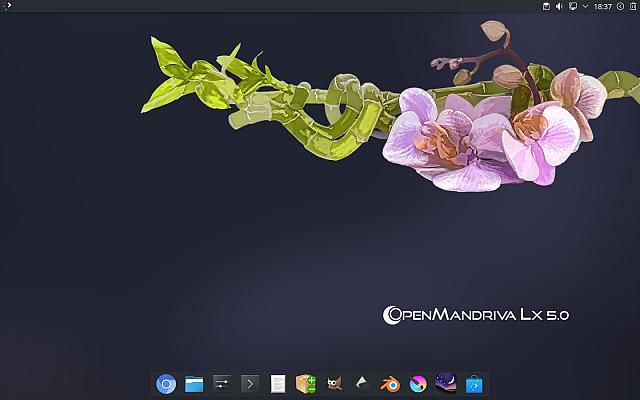
 (OpenMandriva Lx 5.0 screenshot from OpenMandriva Wiki)


Subscribe to UbuntuBuzz Telegram Channel to get article updates.
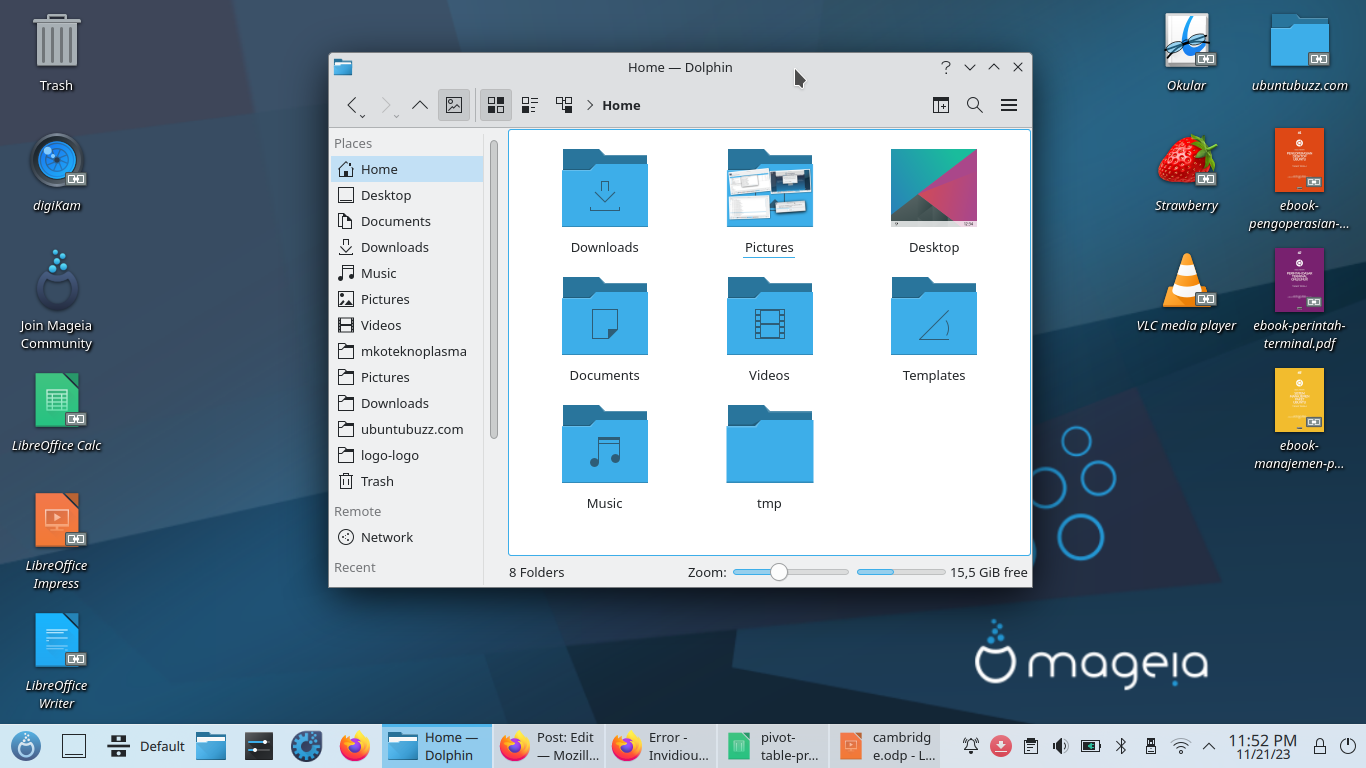
What to do after installing Mageia 9 to your computer or laptop? In case you need some advises, we have here a compilation of easy to practice tips and tricks for new Mageia users. We also linked them with some compilation of tutorials so you can be productive with LibreOffice for school and work. Congratulations for using Mageia GNU/Linux in your computing and please continue reading!


Subscribe to UbuntuBuzz Telegram Channel to get article updates.

Here's a comparison between openSUSE and OpenMandriva (continuing our comparison involving Mageia) the two European computer operating systems from our Free Libre Open Source Software community. The most obvious similarity from both is their name, which includes the word OPEN, which comes particularly from the Open Source Movement. In this article we will see several interesting stuffs from both around their architectures, distributions, control center, etc. so we know about their YaST and OMCC, respectively. If you want to know more similarities and differences of these two OSes, this article is for you. To make it easier to read, OS below is for openSUSE while OM is for OpenMandriva. Let's go!


Subscribe to UbuntuBuzz Telegram Channel to get article updates.


For Ubuntu users switching to Fedora, or vice versa, anyone needs a comparison of both common package manager commands. The goal is the user knows that "dnf install" in Fedora is equal to "apt-get install" in Ubuntu and so on. This article compares common use such as sync, install, remove, upgrade, and repolist; plus config files and further references. Here this article provides that comparison in a simple format.

Subscribe to UbuntuBuzz Telegram Channel https://telegram.me/ubuntubuzz to get article updates directly.